Alexandra Fuchs
UX/UI Designer

Hi there! I’m a Designer from Berlin, Germany. Here is my Design System Portfolio.
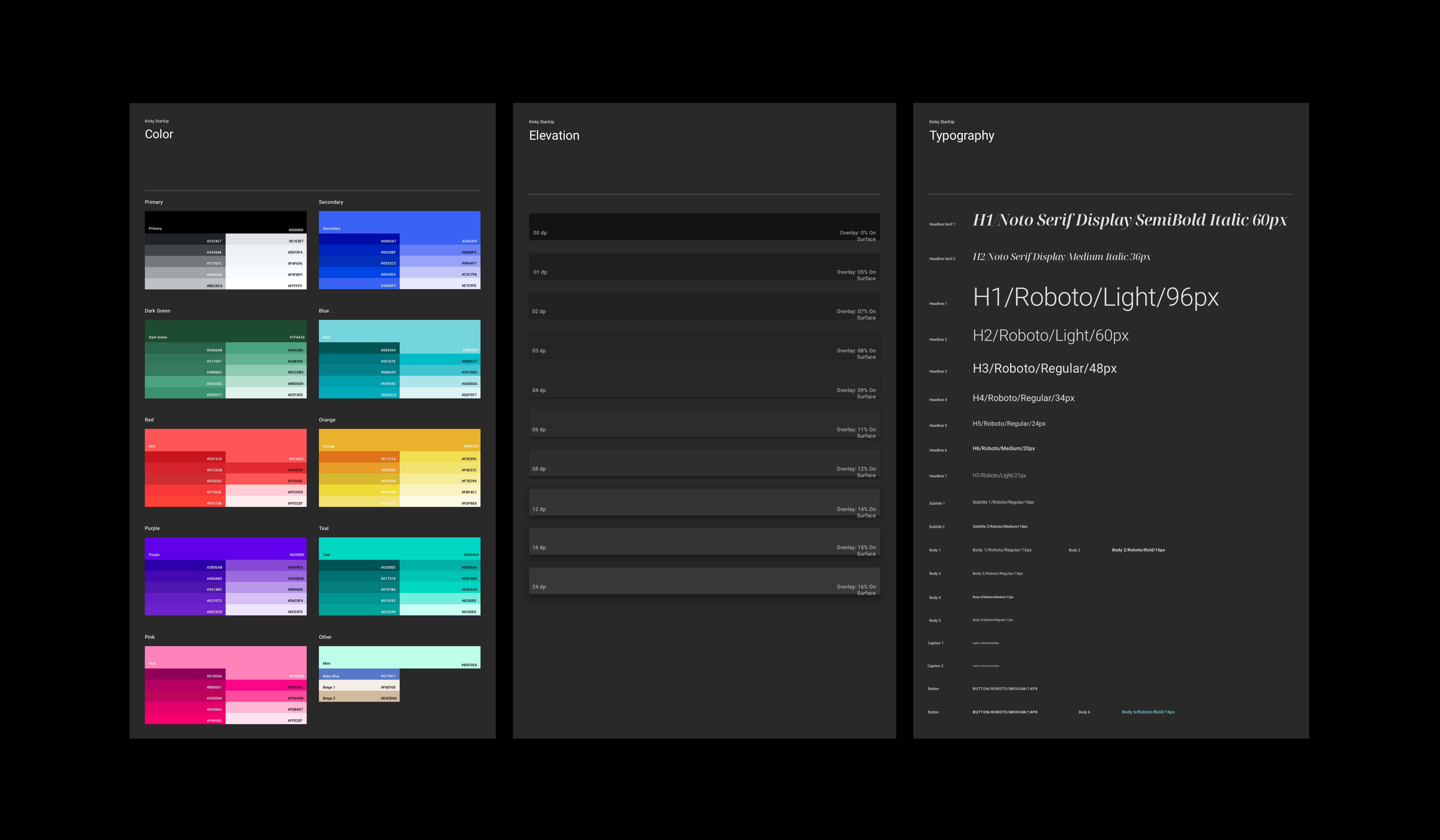
A design system is a collection of reusable design components, patterns, guidelines, and assets that ensure consistency, efficiency, and a cohesive user experience across a range of products. It serves as a foundation for design and development teams to create high-quality, user-centered products while maintaining brand identity. A design system also promotes collaboration, reduces redundancy, and accelerates the development process.

‍An effective design system comprises several key components. First, it should include a comprehensive set of design principles and guidelines that ensure a consistent and cohesive user experience. Second, it should provide a library of reusable components and patterns that expedite the development process while maintaining brand consistency. Third, a robust documentation system is essential to guide designers and developers in implementing the design system correctly. Finally, continuous iteration and user feedback loops are crucial to ensure the design system evolves to meet changing user needs and technological advancements.
Colors                          

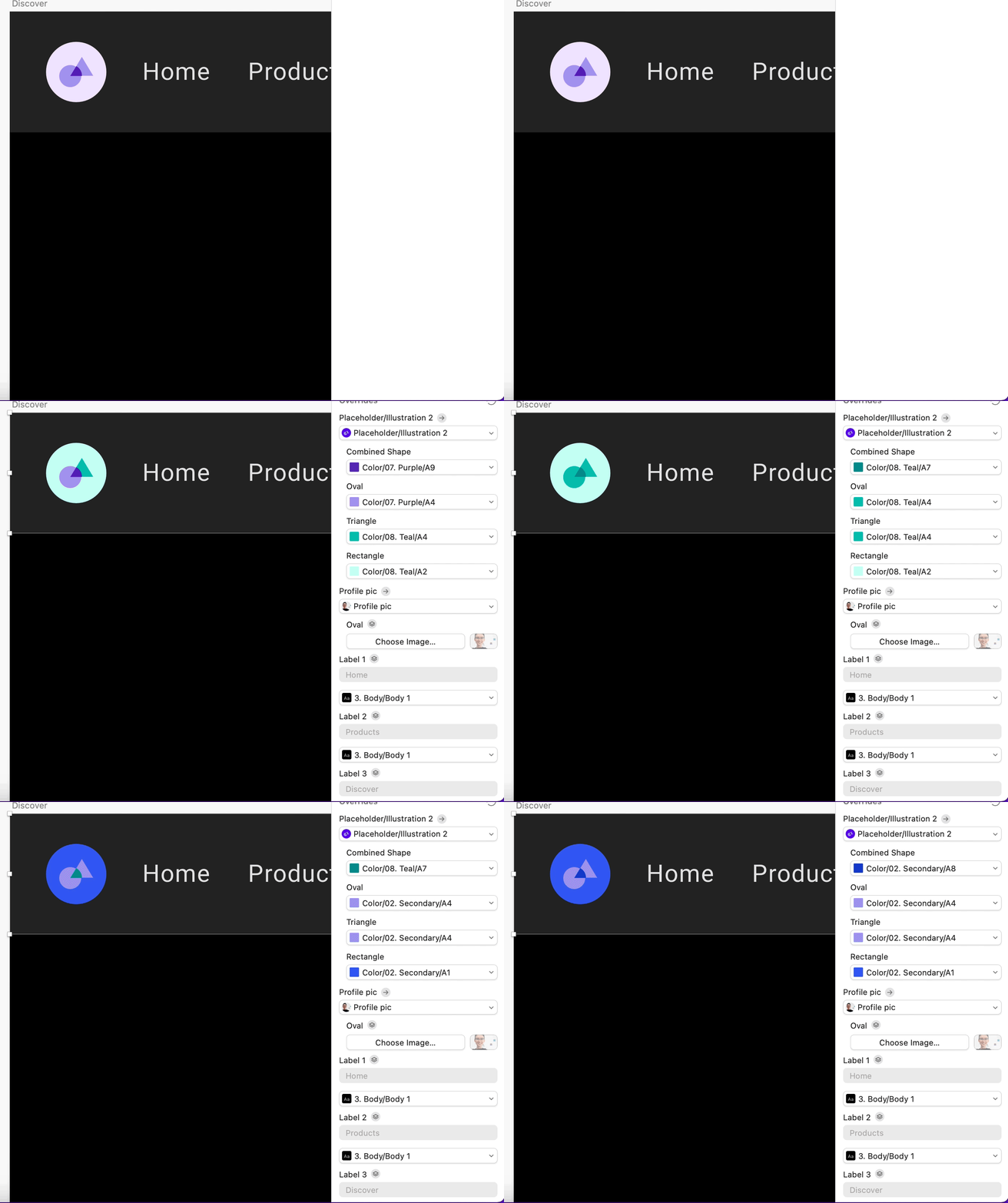
With Color Variables, I set colors that synchronize across all document. When I make changes to a Color Variable, those changes appear across all of the layers that use it. I create Color Variables that are local to a specific document or share them in a Library to use in other designs.

Introducing a new component to an existing design system involves careful consideration and collaboration. First, I conduct a thorough analysis of the component's purpose and potential use cases within various products. Then, I would create a detailed design specification that outlines the component's visual appearance, interactions, and behaviors. Next, I would collaborate with cross-functional teams, including designers, developers, and product managers, to gather feedback and refine the component. Once finalized, I would update the design system documentation and provide code snippets for seamless integration by development teams.

To keep a design system relevant and adaptable, I adopt a proactive approach. I stay abreast of industry trends and emerging technologies by subscribing to relevant design blogs, read books of thought leaders such as Tim O'Reilly or Ben Shneiderman, on social media, read books, and engage in online design communities. Regular feedback loops with designers, developers, and end-users are crucial to identify potential areas for improvement or adaptation. Additionally, I leverage user analytics and usability testing to gather insights on how users are interacting with the design system and make informed decisions about updates or enhancements.

Elevations                  

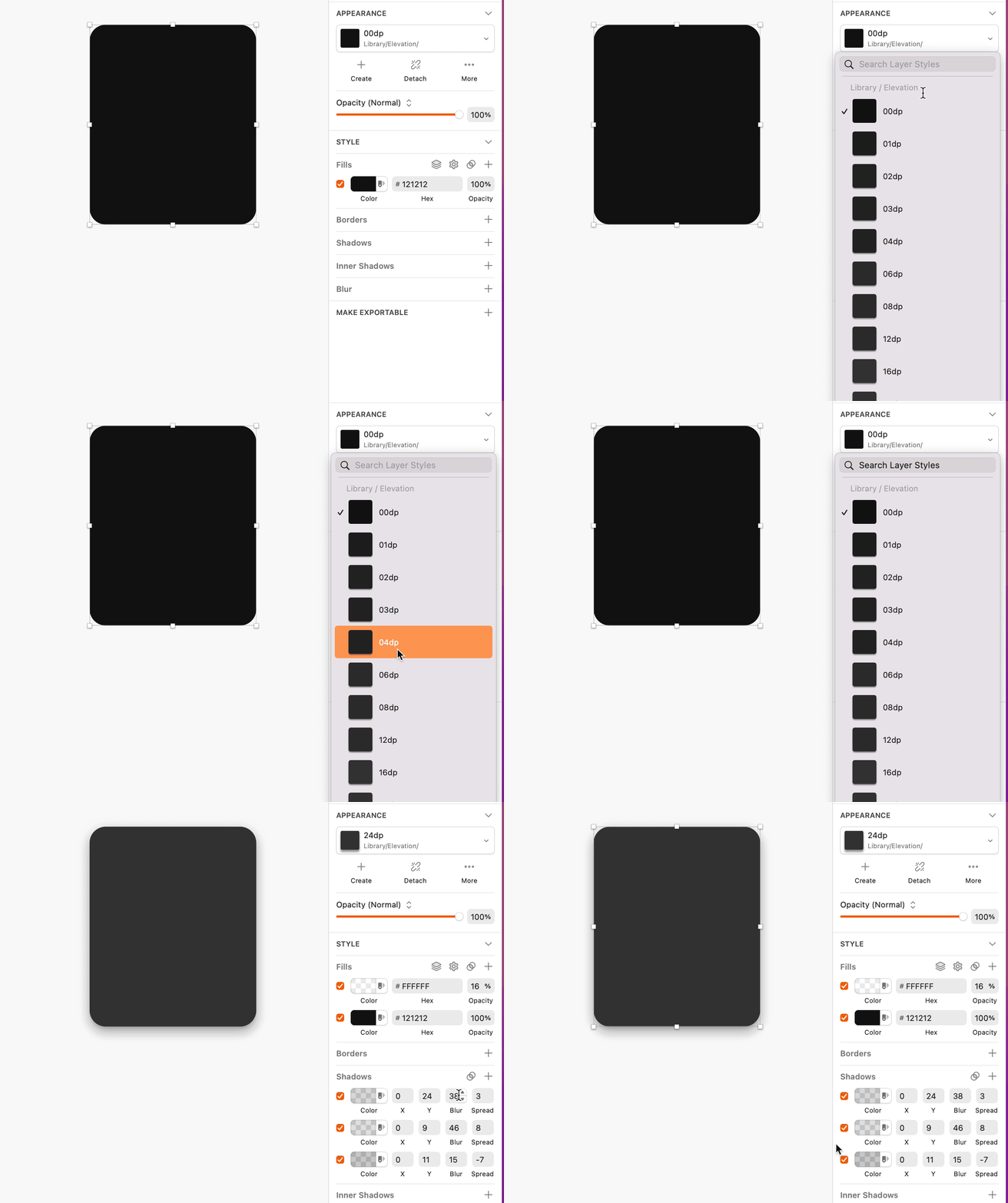
The X and Y values offset the shadow from the layer and can be positive or negative. The Blur value sets the Blur radius to apply to the shadow in pixels. The Spread value (+ or -) sets the distance in pixels to expand or contract the shadow in all directions.

To maintain consistency, I believe in establishing clear governance processes and fostering open communication. Regular design system reviews and audits help identify and address inconsistencies. Collaborative cross-functional workshops and training sessions ensure that teams understand and adhere to design system principles. Additionally, I would like to leverage version control and automated tools to manage and update design assets efficiently, while also seeking feedback from users and teams to continually improve the design system.

Our company underwent a rebranding initiative that involved a significant shift in visual identity and brand guidelines. This required a comprehensive update of our design system to reflect the new branding elements while maintaining a seamless transition for existing products. I led a cross-functional team in reevaluating each design component, updating visual assets, and revising documentation. We conducted extensive testing to ensure that the updated design system remained consistent with the new brand identity and provided clear guidelines for its implementation across various platforms.

Typography              

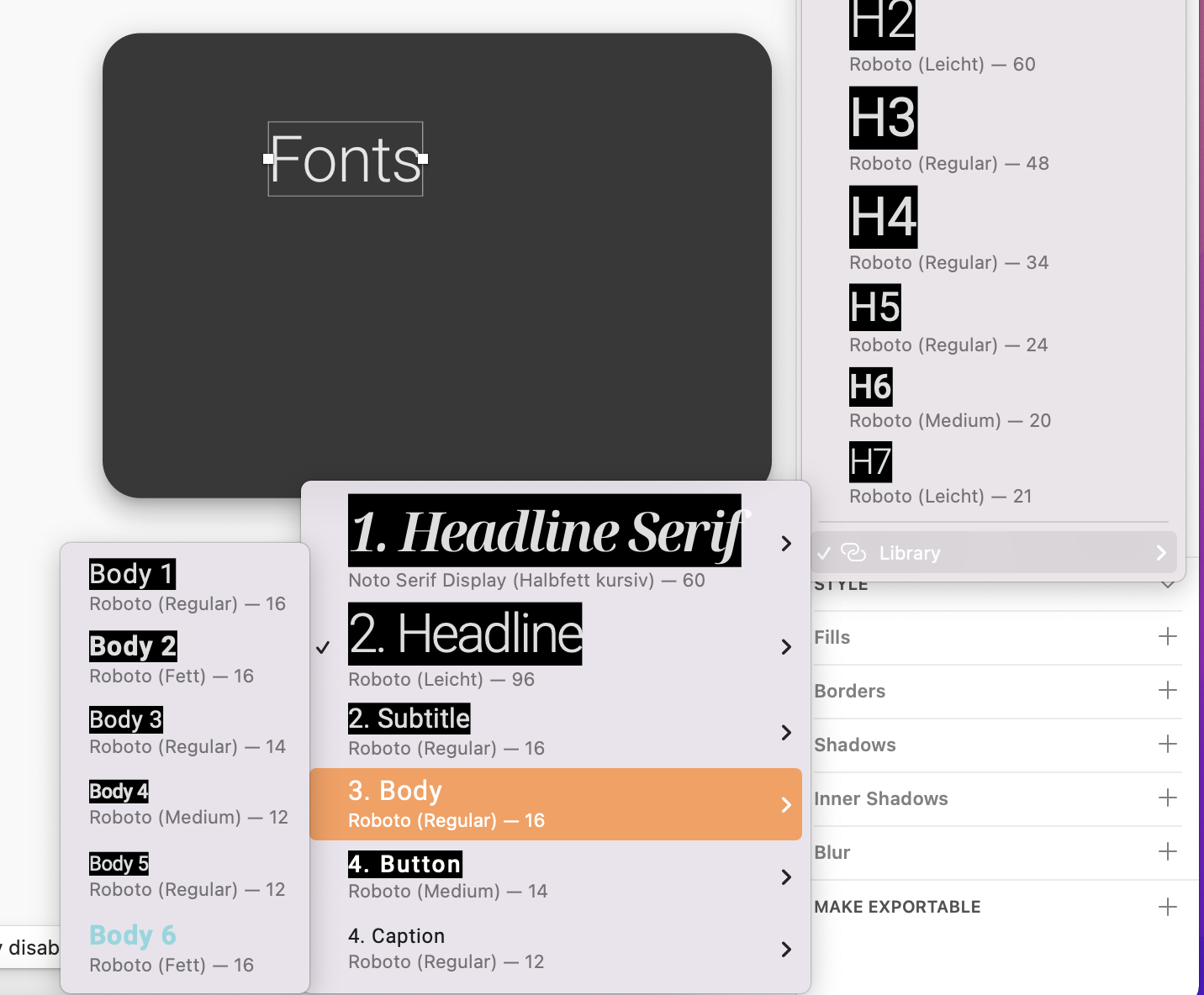
With Text Styles, I store a set of styles and reuse them across different text layers within my designs. When I make changes to a layer that I’ve applied a Text Style to, I can choose to update the Text Style itself so that all text layers with that Text Styles change as well.

I encountered a scenario where engineering teams were requesting design system changes to accommodate technical constraints, while product teams were emphasizing the need for consistent user experiences. To strike a balance, I facilitated a series of collaborative workshops involving both technical and design stakeholders. We discussed trade-offs, evaluated the impact of proposed changes on user experience, and reached a consensus on prioritizing adjustments that maintained design integrity while accommodating technical requirements. This approach resulted in a win-win situation that satisfied both sets of stakeholders.

Accessibility is a fundamental aspect of a design system. I know WCAG (Web Content Accessibility Guidelines) from my Frontend Scholarship at Google. I would like to conduct regular accessibility audits and integrate accessible design patterns, conduct usability testing with users who have different abilities, and involve accessibility experts in the review process. By incorporating inclusive design principles, I ensure that all users, regardless of their abilities, can interact with our products seamlessly.